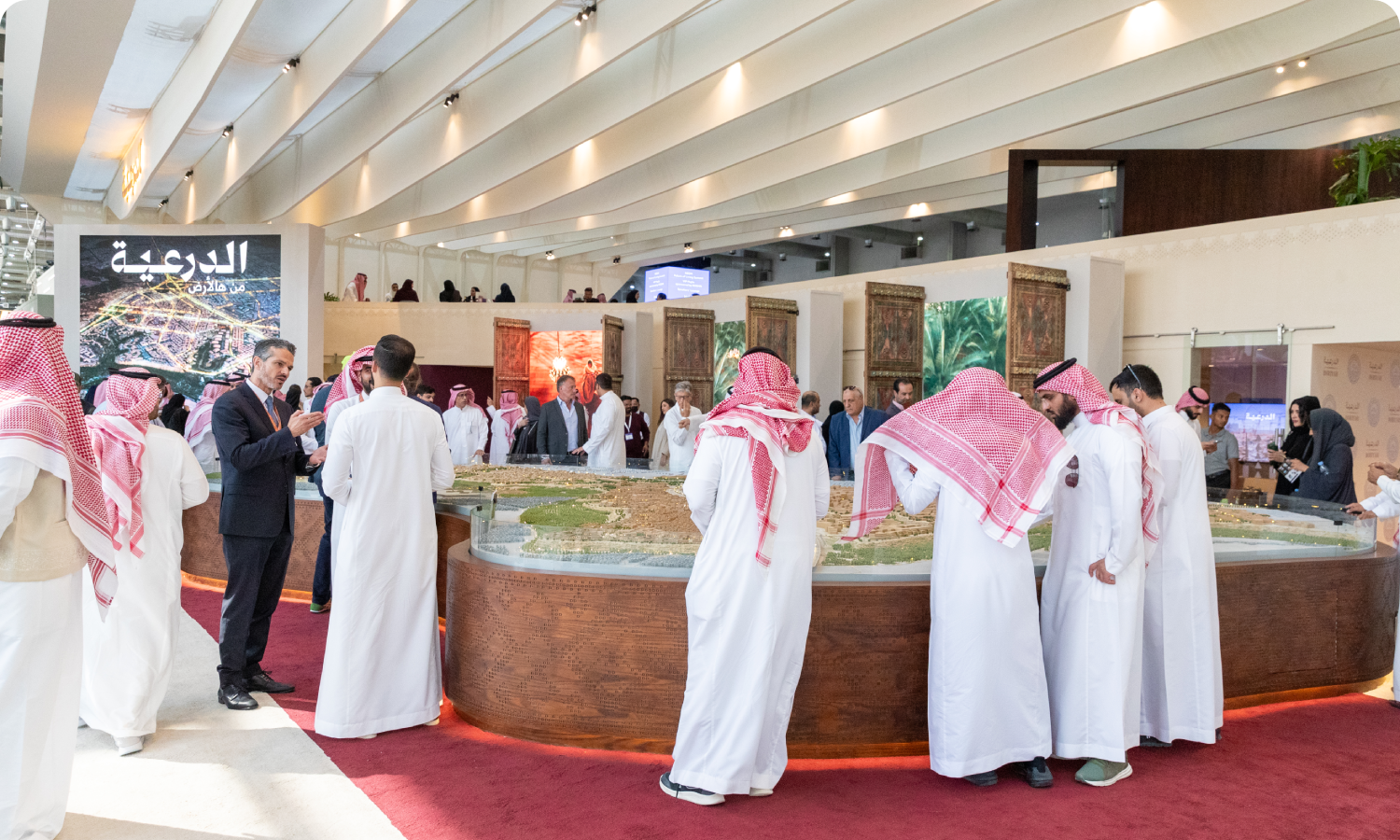


Launching a new business venture in Saudi Arabia presents significant growth potential within one of the Middle East’s most dynamic and rapidly evolving economies. The Kingdom offers a highly attractive investment environment driven by economic diversification, digital transformation, and emerging opportunities across key sectors such as technology, healthcare, renewable energy, and tourism. However, establishing a successful presence requires strategic foresight, detailed planning, and a strong understanding of local regulations, cultural frameworks, and market dynamics. This overview highlights the key pillars for building a successful and sustainable business in Saudi Arabia.
Identifying Opportunities: Entrepreneurs must conduct in-depth market research, analyze consumer behavior, and evaluate industry trends to identify high-growth sectors and competitive advantages.
Regulatory Compliance: Business setup in Saudi Arabia requires adherence to licensing procedures, foreign investment laws, taxation policies, and labor regulations, often supported by local advisory expertise.
Business Planning: A structured business plan defining objectives, revenue models, operations, and marketing strategy is essential to attract investment and ensure long-term clarity.
Strategic Partnerships: Building strong relationships with local stakeholders, suppliers, and government entities is key to market access, risk mitigation, and operational success.
Talent & Innovation: Recruiting skilled talent and embracing innovation and technology enhances competitiveness and supports sustainable growth in a fast-changing market.
Cultural Alignment: Understanding and respecting local customs and business etiquette strengthens trust, improves communication, and supports long-term success.
In conclusion, Saudi Arabia offers exceptional opportunities for forward-thinking entrepreneurs. With the right strategy, compliance, partnerships, and execution, businesses can establish a strong foothold and achieve long-term growth in the Kingdom’s evolving economic landscape.